
Rilson tesnenie
Ningbo Rilson Sealing Material Co., Ltd je venovaný zabezpečeniu bezpečného a spoľahlivého Prevádzka tekutých tesniacich systémov, ktoré ponúkajú Klienti Vhodný technológia tesnenia riešenia.

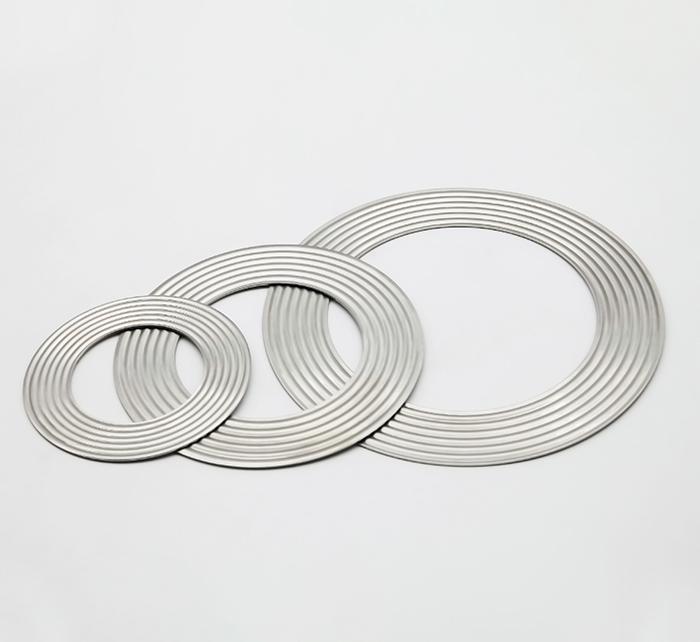
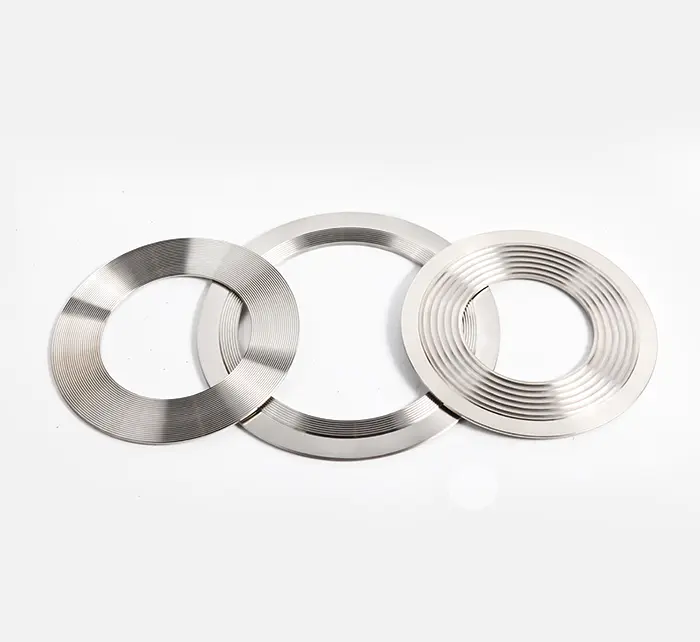
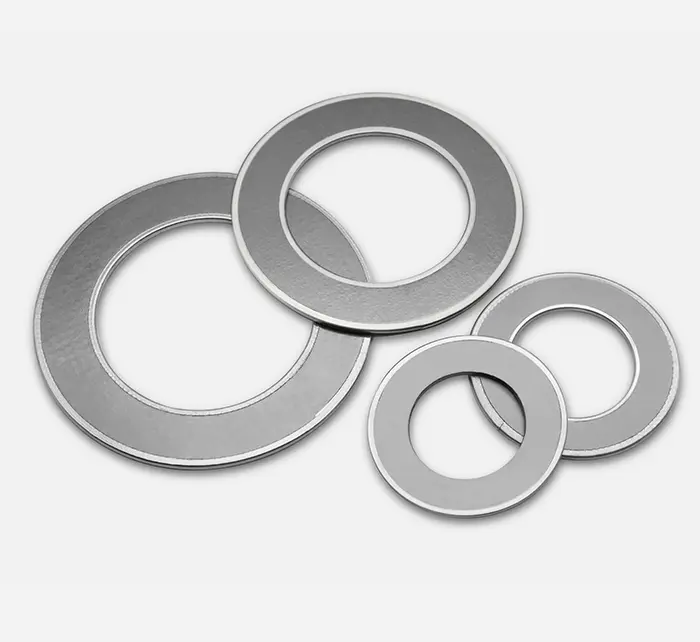
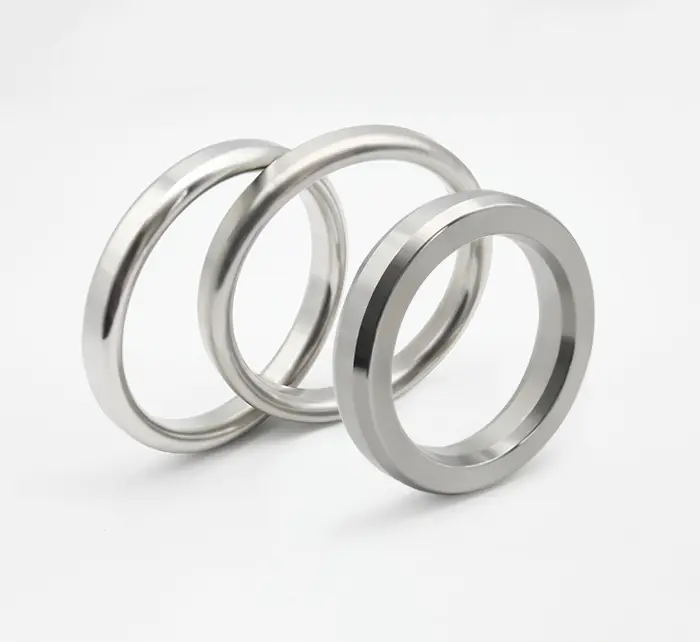
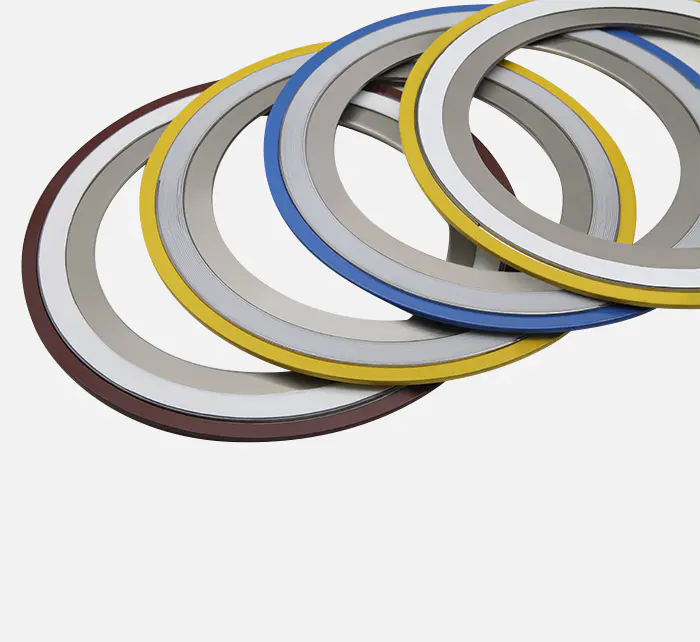
Tesnenia výmenníka tepla zohrávajú rozhodujúcu úlohu v celkovom výkone a účinnosti systému výmenníka tepla. Tieto tesnenia slúžia ako primárne tesniace komponenty medzi rôznymi časťami výmenníka tepla, čím zabezpečujú, že tekutiny môžu prúdiť cez systém bez úniku alebo zmiešania. Výmenníky tepla, ktoré sa používajú na prenos tepla medzi dvoma alebo viacerými tekutinami, sa vo veľkej miere spoliehajú na správne fungovanie týchto tesnení, aby sa zachovala bezpečná, efektívna a spoľahlivá prevádzka.
Primárna funkcia tesnenia výmenníka tepla je vytvoriť bezpečné tesnenie medzi doskami alebo rúrkami výmenníka tepla, čím sa zabráni úniku tekutín. Vo väčšine systémov výmenníkov tepla prechádzajú tekutiny s rôznymi teplotami cez samostatné kanály alebo komory a tesnenia zabraňujú vzájomnému kontaktu týchto tekutín. Táto tesniaca funkcia je životne dôležitá pre zachovanie integrity výmenníka tepla, čím sa zabezpečí efektívny prenos tepla bez akéhokoľvek rizika kontaminácie alebo straty energie v dôsledku netesností. Ak tesnenia zlyhajú, výkon systému môže byť vážne ovplyvnený, čo vedie k problémom, ako je znížená účinnosť prenosu tepla, kontaminácia tekutín alebo dokonca vypnutie systému.
Tesnenia výmenníka tepla tiež pomáhajú udržiavať tlak tekutín v systéme. V mnohých priemyselných aplikáciách pracujú výmenníky tepla pri vysokotlakových podmienkach. Tesnenia musia odolať týmto zmenám tlaku bez toho, aby boli ohrozené ich tesniace schopnosti. Tesnenie, ktoré je príliš slabé alebo nesprávne nainštalované, môže viesť k únikom tekutín, čo nielen znižuje účinnosť procesu výmeny tepla, ale predstavuje aj bezpečnostné riziká, ako je únik nebezpečných alebo korozívnych tekutín. Preto musí byť tesnenie vyrobené z materiálov, ktoré dokážu vydržať tieto podmienky vysokého tlaku, čím sa zabezpečí nepretržitá prevádzka systému výmenníka tepla.
Ďalšou kritickou úlohou tesnenia výmenníka tepla je zabrániť kontaminácii medzi rôznymi kvapalinami v systéme. V mnohých prípadoch je výmenník tepla určený na spracovanie tekutín, ktoré by sa nemali miešať. Napríklad v potravinárskom a nápojovom priemysle môžu byť tepelné výmenníky použité na prenos tepla medzi vodou a mliekom alebo medzi vodou a olejmi. V týchto prípadoch fungujú tesnenia ako bariéra, ktorá zaisťuje, že každá tekutina zostane obsiahnutá vo svojom určenom kanáli. Akýkoľvek únik medzi kvapalinami môže viesť ku kontaminácii, zníženiu kvality spracovávaných materiálov a v niektorých odvetviach môže spôsobiť, že celá šarža nebude vhodná na použitie.
Materiály používané na tesnenia výmenníkov tepla sú špecificky vybrané pre ich schopnosť odolávať korózii, opotrebovaniu a nepriaznivým účinkom kolísania teploty. Vzhľadom na to, že výmenníky tepla často manipulujú s kvapalinami pri vysokých teplotách, je nevyhnutné, aby tesnenia zostali stabilné a účinné napriek neustálemu tepelnému namáhaniu. Bežné tesniace materiály zahŕňajú elastoméry, PTFE (polytetrafluóretylén), grafit a kov, pričom každý sa volí v závislosti od prevádzkových podmienok a typu spracovávanej tekutiny. Napríklad PTFE tesnenia sa často používajú v aplikáciách zahŕňajúcich agresívne chemikálie alebo vysoké teploty kvôli ich vynikajúcej chemickej odolnosti a tepelnej stabilite. Na druhej strane, grafitové tesnenia môžu byť uprednostňované v systémoch, ktoré sa zaoberajú vysokým tlakom alebo extrémnymi teplotami, kvôli ich schopnosti zachovať integritu v drsných podmienkach.
Okrem utesnenia a zabránenia kontaminácii, tesnenia výmenníka tepla tiež prispievajú k celkovej štrukturálnej integrite systému. Poskytujú flexibilné, ale bezpečné spojenie medzi doskami alebo rúrkami výmenníka tepla, čím pomáhajú absorbovať vibrácie, tepelnú rozťažnosť a kontrakciu počas prevádzky. Tieto dynamické faktory môžu spôsobiť namáhanie komponentov výmenníka tepla a tesnenia pomáhajú zmierňovať účinky týchto síl, čím zabezpečujú životnosť systému a znižujú pravdepodobnosť mechanického zlyhania. Správna inštalácia tesnenia zaisťuje, že systém funguje hladko, s minimálnym rizikom úniku, kontaminácie alebo straty tlaku.

Rilson tesnenie
Ningbo Rilson Sealing Material Co., Ltd je venovaný zabezpečeniu bezpečného a spoľahlivého Prevádzka tekutých tesniacich systémov, ktoré ponúkajú Klienti Vhodný technológia tesnenia riešenia.
Autorské práva © Ningbo Rilson Sealing Material Co., Ltd. Všetky práva vyhradené.
